
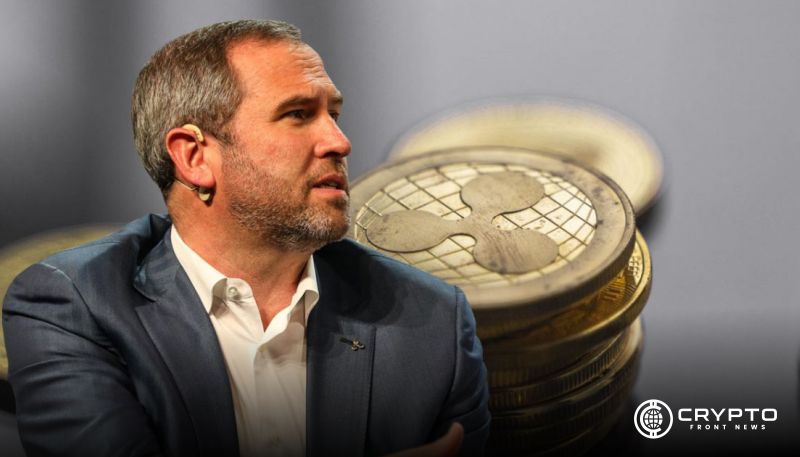
- Brad Garlinghouse said Ripple considered shutting down after the SEC lawsuit but continued operating to protect employees.
- David Schwartz said early legal advice favored settling, believing Ripple could not survive the SEC’s case.
- Ripple later resolved the lawsuit and has since expanded its regulatory approvals and global operations.
Ripple Chief Executive Officer Brad Garlinghouse said the company considered shutting down after the U.S. Securities and Exchange Commission sued it in 2020. Speaking at the KU School of Business, Garlinghouse said Ripple weighed closing operations because of the government’s legal resources but continued fighting the case to avoid widespread job losses.
Garlinghouse Describes Shutdown Option
Garlinghouse said shutting down appeared to be the easier path after the SEC filed its lawsuit. According to his remarks, Ripple could have distributed its XRP holdings to shareholders on a pro rata basis.
He said the company could then have informed the SEC that it no longer held XRP. However, Garlinghouse added that such a decision would have left hundreds of employees without jobs.
Instead, Ripple continued defending the lawsuit through the courts. The SEC filed the case in 2020, alleging Ripple sold XRP as an unregistered security.
Schwartz Recalls Early Legal Advice
Ripple Chief Technology Officer David Schwartz also addressed the company’s response after the lawsuit. According to Schwartz, legal advisers initially believed Ripple could not survive the case.
He said lawyers recommended reaching a settlement to protect the company and its executives. Schwartz also said he believes the SEC named Garlinghouse and Ripple co-founder Chris Larsen personally because that outcome was expected in similar cases.
The SEC later pursued claims against both executives alongside the company. However, Judge Analisa Torres later ruled that XRP itself is not a security.
Company Expanded After Legal Fight
The SEC and Ripple eventually settled the long-running lawsuit after the Trump administration took office. Meanwhile, Ripple has continued expanding its regulatory footprint.
According to the provided information, Ripple recently obtained a new European Union license, making the company compliant with the Markets in Crypto-Assets framework. The company has also secured licenses across multiple jurisdictions.
Community member BankXRP said Ripple’s U.S. business has resumed while institutional partnerships continue expanding. He also noted that banks are building on the XRP Ledger, according to the information provided.