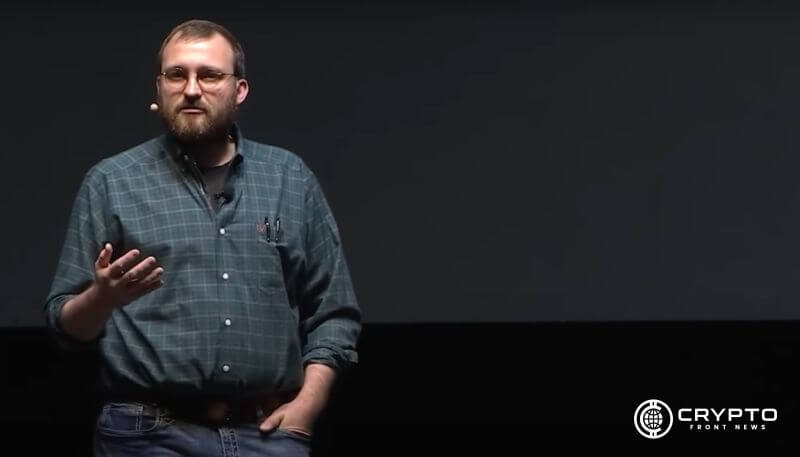
- Hoskinson warns CLARITY Act may classify most crypto as securities, expanding regulatory control.
- He claims support for the bill could favor Ripple while limiting competition for smaller projects.
- Developer liability concerns and weak legislative momentum raise uncertainty around the bill’s future.
Charles Hoskinson publicly criticized Brad Garlinghouse over his support for the CLARITY Act, according to statements made in a weekly crypto rollup video. The remarks focused on regulatory risks tied to the bill, which remains under discussion in 2026. Hoskinson argued the proposal could reshape how digital assets are classified and enforced.
Regulatory Concerns
According to Hoskinson, the CLARITY Act could classify most crypto projects as securities by default. He explained that such a structure may mirror earlier enforcement patterns linked to Gary Gensler. As a result, he warned that regulators could gain broader authority over new and existing blockchain projects.
Moreover, Hoskinson stated that Garlinghouse appears to support the framework because it may benefit Ripple and XRP. He argued that this dynamic could reduce competition across the wider crypto market. Consequently, he described the proposal as unfavorable for smaller projects attempting to enter the space.
Developer Liability Raises New Questions
Beyond classification issues, Hoskinson highlighted legal exposure for developers under the proposed framework. He stated that the bill could impose liability even when developers lack control over how their software operates. Notably, he referenced past enforcement cases involving open-source tools, including those linked to Tornado Cash.
In addition, Hoskinson said the removal of protections for decentralized finance developers could discourage innovation. He emphasized that uncertainty around enforcement may deter new entrants. Meanwhile, he noted that discussions around the bill often shift away from policy details toward personal disputes.
Community Reaction And Legislative Uncertainty
However, Hoskinson also addressed criticism from the XRP community following his remarks. He said some members accused him of targeting XRP despite his previous support for Ripple during regulatory challenges. He added that his past statements defending Ripple remain publicly available.
Meanwhile, broader legislative momentum appears uncertain. Following opposition from Coinbase regarding stablecoin yield provisions, the likelihood of the CLARITY Act advancing in 2026 has declined.