
- Most decentralized stablecoins rely on USD, creating long-term dependency and vulnerability to dollar inflation.
- Oracles remain exposed to capital capture, risking protocol security and encouraging financialized governance.
- Ethereum staking yields compete with stablecoins, limiting returns and stressing collateral and rebalancing mechanisms.
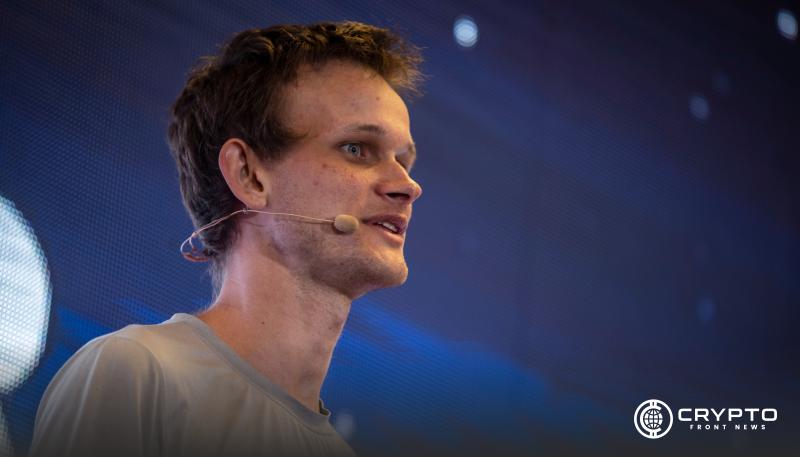
Ethereum co-founder Vitalik Buterin raised fresh concerns about decentralized stablecoins in a post on X on Sunday. The discussion took place online and involved Buterin responding to broader industry commentary. He explained why, despite years of development, decentralized stablecoins still face unresolved structural challenges tied to pricing, security, and yield design.
Dollar Dependence and Long-Term Price
According to Vitalik Buterin, most decentralized stablecoins remain anchored to the U.S. dollar. He said this design works in the short term but creates long-term dependency risks. Notably, Buterin questioned whether systems focused on resilience should rely on a single fiat reference.
He suggested that future stablecoins may need broader indexes or purchasing power metrics. However, he did not propose a specific alternative benchmark. He added that moderate or long-term dollar inflation could weaken systems tied solely to USD pricing. This concern framed his broader critique of stablecoin architecture.
Oracle Capture and Governance Pressure Risks
Building on pricing concerns, Buterin highlighted oracle design as a second major vulnerability. Oracles provide external price data to blockchains, making them critical infrastructure.
However, he warned that many oracle systems remain vulnerable to capital-based capture. If attackers can influence oracles using large funds, entire protocols face risk. Consequently, projects may raise value extraction to defend token prices.
According to Buterin, this outcome harms users and encourages financialized governance. He also reiterated criticism of governance models relying heavily on economic penalties. He linked this risk to his continued support for DAOs despite their limitations.
Staking Yield Competition and Collateral Constraints
Turning to yield dynamics, Buterin described staking returns as direct competition for decentralized stablecoins. Ethereum staking currently offers higher returns than many stablecoin systems. As a result, stablecoins may deliver only modest annual yields.
He outlined several possible approaches without endorsing any solution. These included lowering staking yields, creating alternative staking models with reduced slashing risk, or adapting slashable staking for collateral use. He stressed that slashing risk includes inactivity leaks and censorship scenarios.
Additionally, Buterin noted that stablecoins cannot rely on fixed ETH collateral. Sharp market drops require rebalancing mechanisms. In some designs, systems may pause staking rewards during extreme price moves to maintain solvency.