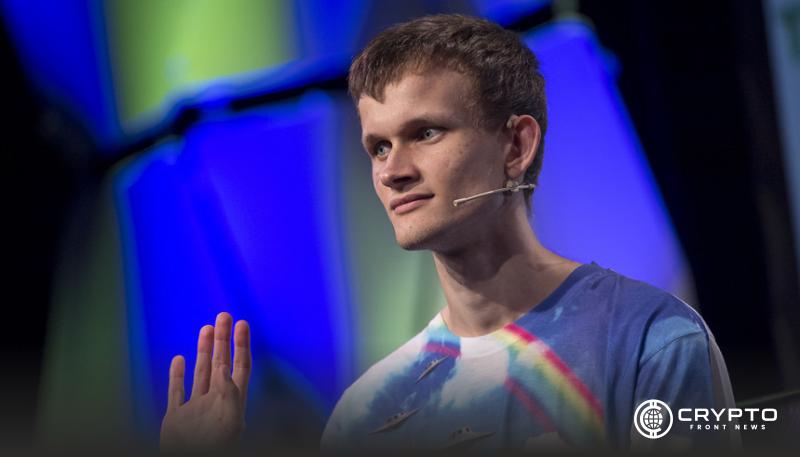
- Vitalik Buterin says Ethereum must go beyond finance, focusing on privacy, security, and tools that protect people from surveillance and overreach.
- Buterin urges developers to build “sanctuary technologies” that help people communicate, cooperate, and manage risk without centralized control.
- Ethereum’s future, according to Buterin, lies in supporting open systems that strengthen communities, not in trying to fix society directly.
Ethereum co-founder Vitalik Buterin has called for a shift in the blockchain’s role, urging the network to go beyond finance. Over the past year, Buterin said he observed growing concern about government surveillance, corporate overreach, social media conflicts, and AI’s influence.
Because of this, he thinks Ethereum needs to be more than just a financial instrument. In order to create environments where people may work together safely in spite of external challenges, the network should provide privacy, security, and community resilience.
In an X post, Buterin explained that financial freedom alone cannot address society’s deeper problems. “Financial freedom and security is critical,” he said. “But it would leave the bulk of our deep worries about the world unaddressed.”
Consequently, Ethereum developers are encouraged to think of “sanctuary technologies,” which are open-source technologies that enable users to live, work, communicate, and manage risks in robust and decentralized ways. Sanctuary technologies are those that can limit the power imbalance in society, rather than imposing a particular vision of finance and/or governance.
Moving Beyond Finance
Buterin highlighted that Ethereum cannot “fix the world” directly. Instead, it should serve as a platform for cooperation and digital stability. Multisigs, decentralized governance structures, and persistent digital assets are examples of technologies that create unique, canonical representations of social agreements.
Additionally, Ethereum can enable open finance while at the same time integrating with AI interfaces, operating systems, and possibly even hardware or physical security systems. By focusing on user-centered design, Ethereum can better serve individuals and institutions alike who require reliable and censorship-resistant technologies.
Building the Sanctuary Tech Ecosystem
Additionally, Buterin emphasized collaboration beyond crypto. He cited Starlink, Signal, and Community Notes as examples of technologies that protect users and enhance freedom. Ethereum’s role is complementary, providing shared digital space without centralized ownership.
In order to reach people that centralized platforms are unable to serve, developers are urged to optimize decentralized banking, payments, and social applications. Ethereum thus positions itself as an essential part of a larger ecosystem of open and secure technology.