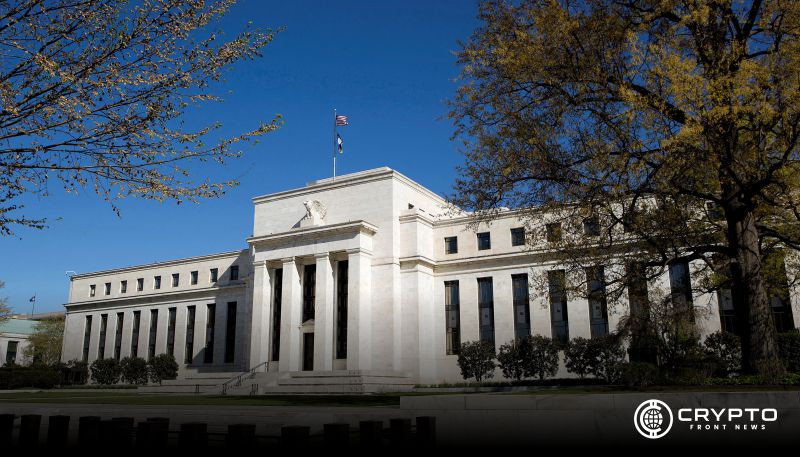
- US National Debt expanded from $19.6 trillion during 2016 toward $39 trillion today globally.
- Treasury borrowing accelerated alongside rising interest costs and persistent federal deficit spending conditions.
- Investors continue monitoring debt growth, inflation pressure, and long-term dollar confidence trends carefully.
US National Debt continued accelerating as federal borrowing surpassed $39 trillion, increasing attention toward fiscal sustainability, Treasury issuance, monetary conditions, and long-term confidence surrounding the global financial system.
Debt Growth Accelerates Across Economic Cycles
Bull Theory recently reported the US National Debt doubled during the previous decade. The analysis focused on structural borrowing growth across multiple economic conditions. Federal debt expanded from approximately $19.6 trillion during 2016 toward $39 trillion today.
The report estimated debt increased roughly $221 million every hour continuously. That figure reflects persistent structural deficits embedded within current fiscal frameworks. Borrowing growth continued despite changing administrations and varying economic environments.
Historically, stronger economic conditions reduced deficit pressure through expanding government revenues. However, current fiscal structures increasingly rely on sustained Treasury borrowing activity. Debt accumulation remained elevated despite resilient labor markets and economic growth periods.
Pandemic-era stimulus programs accelerated spending obligations sharply between 2020 and 2022. Emergency fiscal measures significantly expanded Treasury issuance throughout broader economic recovery programs. Borrowing growth later intensified further alongside rising refinancing and interest servicing costs.
Higher Rates Increase Treasury Financing Pressure
The analysis also examined debt expansion alongside changing monetary policy environments globally. Earlier low-interest-rate periods allowed governments financing flexibility through cheaper borrowing conditions. Central bank liquidity programs additionally absorbed substantial Treasury issuance during previous cycles.
However, inflation pressures later triggered aggressive monetary tightening from the Federal Reserve. Rising Treasury yields substantially increased refinancing costs tied to new federal borrowing. Debt servicing obligations consequently expanded alongside broader government expenditure categories.
Bull Theory’s framework emphasized growing pressure surrounding long-term fiscal sustainability conditions. Larger portions of federal spending increasingly shift toward interest payments over productive investment. Markets continue monitoring these dynamics when evaluating sovereign financing stability and risk.
Another important observation involved changing perceptions surrounding large-scale federal deficit spending activity. Previous generations viewed trillion-dollar deficits as extraordinary during recessions or wartime periods. Today, multi-trillion-dollar fiscal expansions occur more frequently across global financial markets.
Investors Monitor Liquidity and Dollar Confidence
Bull Theory also connected debt growth with broader purchasing power and liquidity concerns. Historically, persistent sovereign borrowing encourages interest toward alternative stores of value over time. Gold, real estate, commodities, and Bitcoin often attract attention during uncertain monetary periods.
The image paired the national debt tracker alongside the American flag and Donald Trump. That presentation reinforced the political dimension surrounding fiscal policy and borrowing debates. Discussions increasingly involve taxation, spending priorities, industrial policy, and monetary credibility concerns.
Another notable feature involved market dependence on U.S. Treasury liquidity conditions globally. Financial systems remain heavily interconnected with dollar settlement and sovereign debt infrastructure. That dependence partly explains continued stability despite rapidly expanding borrowing levels.
The broader debt narrative increasingly centers around confidence rather than absolute borrowing figures alone. Reserve-currency economies often maintain larger debt burdens without immediate financial instability concerns. Even so, investors continue tracking inflation trends, Treasury demand, and long-term fiscal credibility closely.