- Paolo Ardoino says 650 million people hold U.S. Treasury exposure through Tether, creating a broader ownership model.
- Paolo Ardoino says USAT targets U.S. institutions while USDT serves dollar users in developing markets, with both remaining interoperable.
- Paolo Ardoino says AI agents and robots could use programmable money for microtransactions through Tether’s WDK and stablecoins.
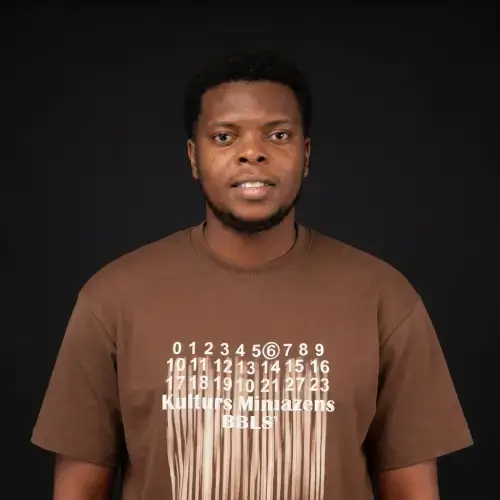
Tether CEO Paolo Ardoino has described stablecoins as a new way to spread U.S. Treasury ownership. Speaking with The Wolf Of All Streets, Ardoino also discussed Tether’s KPMG audit, USDT and USAT, plus Bitcoin, gold, land and AI. He outlined how Tether views distributed Treasury ownership, different stablecoin uses, and digital payments for AI agents.
Treasury Ownership Shifts Beyond Traditional Finance
Ardoino said Tether could become one of the largest U.S. Treasury buyers. He argued stablecoins distribute Treasury exposure among many holders. According to Ardoino, 650 million people now hold some U.S. Treasuries through Tether.
He said those holders would not decide together to sell hundreds of billions of dollars. He said Tether waited 12 years for the audit and plans annual audits. Tether will also continue its existing attestation process.
Stablecoins Take Different Roles
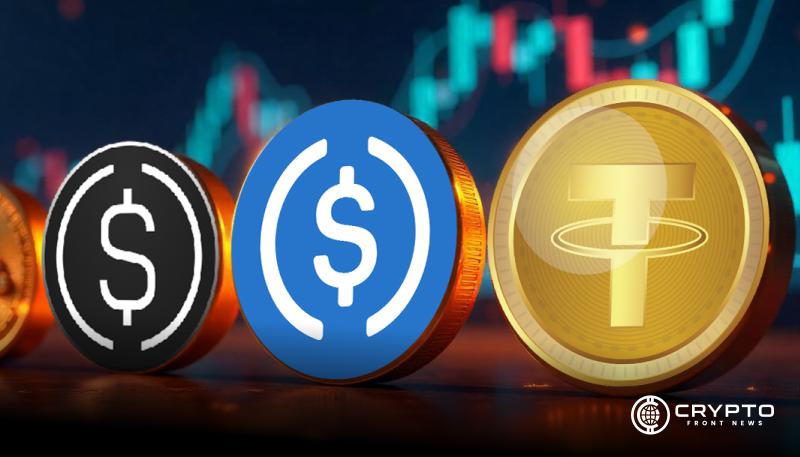
Ardoino said USAT was designed for the U.S. market and compliance with the Genius Act. He added that Tether also seeks full compliance for USDT. He described USAT as a product for financial institutions and high-velocity trading.
Meanwhile, he said USDT serves dollar users across developing markets. Ardoino said both products remain interoperable and can be swapped one-to-one. Tether works with more than 300 law enforcement agencies across over 60 countries.
The discussion then moved to assets beyond stablecoins. Ardoino said Tether invests in Bitcoin, gold and land. It also issues the gold-backed token XAUT.
Tether Expands Focus Toward AI Payments
Ardoino said Tether invested in robot companies developing AI systems and wallets. Those wallets could use Tether’s WDK alongside USDT, Bitcoin and XAUT. He said robots and AI agents could use programmable money for microtransactions.
He described a future involving 10 billion humans, 10 billion robots and one trillion AI agents. In 2026, he said Tether launched an AI initiative centered on QVAC, an open-source AI stack. The system targets smaller language models that can run locally on smartphones and laptops.
Ardoino said Tether focuses on people excluded from financial and AI services. He cited four billion financially excluded people and listed USDT, XAUT, Bitcoin and QVAC.