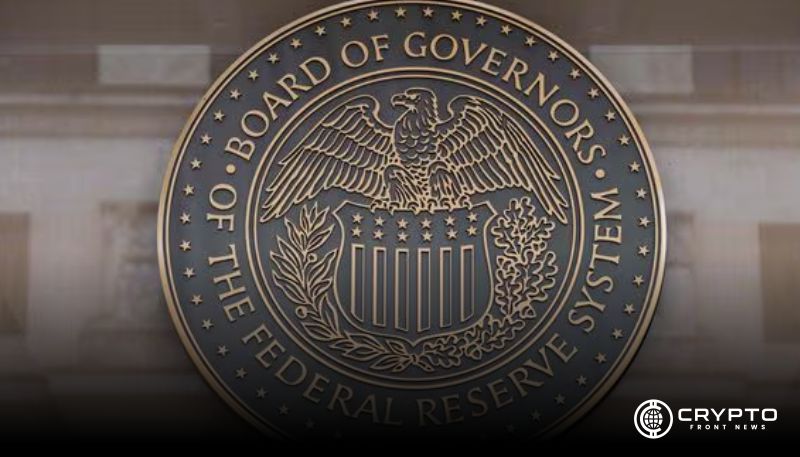
- Kevin Warsh won Senate confirmation as Fed chair in the narrowest vote margin in history.
- Rising inflation and energy costs reduced market expectations for interest-rate cuts this year.
- House Republicans advanced plans to narrow the Federal Reserve’s mandate to inflation only.
The U.S. Senate confirmed Kevin Warsh as Federal Reserve chair Wednesday in a 54-45 vote, the narrowest margin ever for the position. According to Bloomberg, lawmakers approved Warsh just days before Jerome Powell’s term expires on Friday, May 15. Markets are now closely watching whether Warsh will resist President Donald Trump’s repeated calls for lower interest rates despite rising inflation pressures.
Senate Vote Deepens Fed Independence Debate
The confirmation vote largely followed party lines in the Senate. Notably, Pennsylvania Democrat John Fetterman joined Republicans in supporting Kevin Warsh. Warsh secured confirmation one day after senators approved him as a Federal Reserve governor.
That vote cleared the path for his appointment as chair. During his confirmation hearing, Warsh stated the Federal Reserve would remain “strictly independent.” He also said he would not act as Trump’s “sock puppet.”
However, Trump has publicly pushed the Federal Reserve to lower rates for months. The president repeatedly criticized Powell over monetary policy decisions during his tenure. Meanwhile, Powell confirmed he plans to remain on the Federal Reserve board after leaving the chair position. His term as governor still has two years remaining.
Inflation Data Complicates Rate Outlook
Warsh takes office as inflation concerns continue building across the United States economy. Recent data showed annual inflation reaching 3.8% in April, its highest level since May 2023.

Energy prices increased sharply after disruptions linked to the Strait of Hormuz. Food, housing, and airfare costs also continued rising. As a result, markets reduced expectations for interest-rate cuts this year.
Some analysts now expect rates to remain unchanged into 2027. Warsh previously served on the Federal Reserve board between 2006 and 2011. During that period, he criticized parts of the central bank’s quantitative easing policies.
House Republicans Push Separate Fed Changes
Meanwhile, House Republicans moved forward with legislation targeting the Federal Reserve’s dual mandate. The proposal would require the Fed to focus only on inflation instead of employment and inflation together.
Representative French Hill praised Warsh after the confirmation vote. He cited Warsh’s focus on affordability and price stability. Meanwhile, Warsh replaces Stephen Miran as Federal Reserve chair. His first Federal Open Market Committee meeting is scheduled for June 16 and 17.