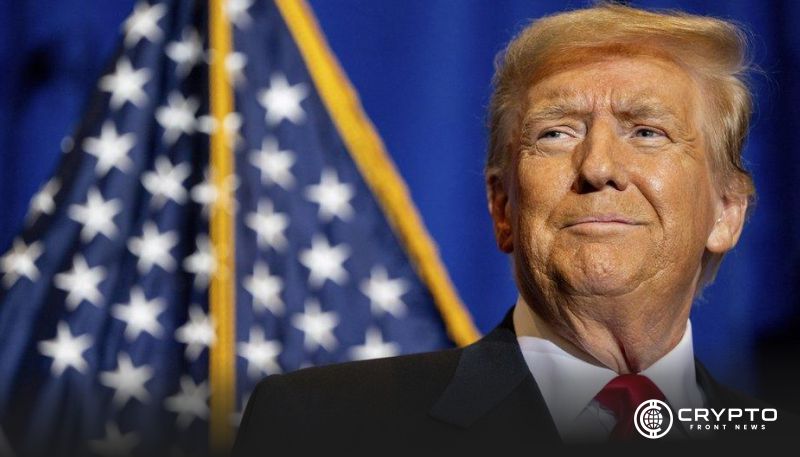
- Trump’s cyber strategy names crypto and blockchain as priority technologies for U.S. cybersecurity.
- The plan promotes post-quantum cryptography to protect blockchain networks from future quantum threats.
- The strategy aligns with broader crypto policies including a Bitcoin reserve and CBDC ban.
U.S. President Donald Trump released a National Cyber Strategy on Friday from the White House supporting stronger security for cryptocurrencies and blockchain networks. The plan promotes post-quantum cryptography to address future threats from quantum computing. Trump also signed a cybercrime executive order the same day as part of broader efforts to strengthen U.S. digital defenses.
Trump Cyber Strategy Highlights Crypto Security
The National Cyber Strategy outlines federal support for protecting cryptocurrencies and blockchain systems. According to the White House document, the administration plans to strengthen secure digital infrastructure across emerging technologies.
Notably, the strategy places crypto alongside artificial intelligence and quantum computing as priority technologies. The document states the United States intends to remain “unrivaled in cyberspace.”
The strategy also emphasizes stronger protections for online activity. It notes that Americans should take steps to safeguard personal digital security. At the same time, the federal government plans to reinforce broader cybersecurity systems.
Within that effort, officials highlighted blockchain networks and digital asset infrastructure. According to the document, the administration will build secure technologies and supply chains. These systems aim to protect user privacy from design through deployment.
Plan Pushes Post-Quantum Cryptography
The strategy also promotes the adoption of post-quantum cryptography. These encryption systems aim to resist attacks from future quantum computers.
Quantum researchers have warned that powerful machines could eventually break current cryptographic systems. Bitcoin and other blockchain networks rely on those encryption methods.

Because of that risk, developers continue discussing possible upgrades. Networks may eventually migrate to encryption standards that resist quantum attacks.
However, some industry figures consider the threat distant. Michael Saylor, co-founder of the Bitcoin-focused firm Strategy, said warnings about quantum risks remain exaggerated.
Still, developers continue exploring solutions. Earlier this year, Ethereum co-founder Vitalik Buterin proposed a “quantum roadmap.” The plan aims to prepare Ethereum for potential encryption challenges.
Policy Actions Expand Trump’s Crypto Agenda
The cyber strategy arrives alongside other policy actions affecting digital assets. On Friday, Trump also signed an executive order targeting cybercrime. Meanwhile, earlier actions reshaped federal crypto policy.
Last year, Trump approved a strategic Bitcoin reserve held by the U.S. government. The reserve contains Bitcoin seized in criminal investigations. Officials have not announced plans to acquire additional assets.
The administration also ordered a broad review of digital asset policy. Additionally, Trump signed an order prohibiting development of a U.S. central bank digital currency. Meanwhile, Trump intensified criticism of Federal Reserve Chair Jerome Powell.
However, the Federal Reserve kept interest rates unchanged, citing stable growth and elevated inflation. Powell declined to comment on the investigation threats. He also warned that politicizing monetary policy could weaken the Federal Reserve’s credibility.