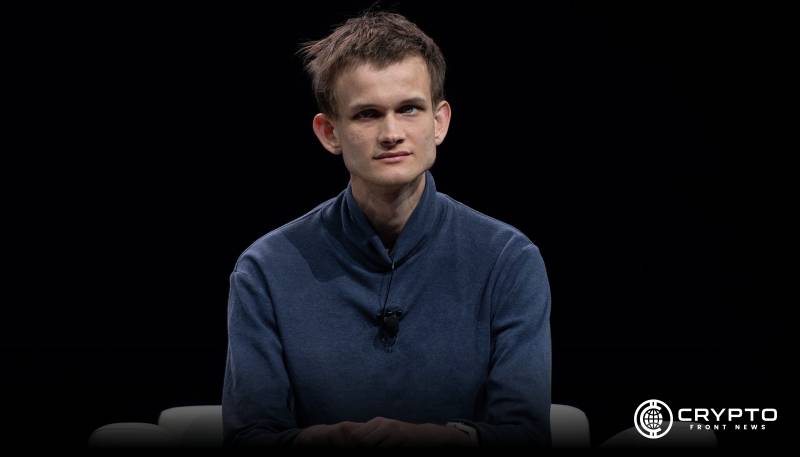
- c-node argued DeFi mainly serves crypto holders seeking self custody and dismissed stablecoin yield as non DeFi.
- Vitalik said algorithmic stablecoins qualify as DeFi by transferring risk and enabling market based stability.
- Buterin stressed overcollateralized and diversified backing improves stablecoin safety beyond simple yield lending.
c-node questioned whether DeFi has value beyond crypto trading. The exchange involved Ethereum co-founder Vitalik Buterin and focused on stablecoins, risk design, and user custody. The discussion also expanded into private messaging habits and platform choices.
DeFi, Self-Custody, and the Stablecoin Dispute
According to c-node, DeFi only matters for users holding crypto positions who want financial services without losing self-custody. c-node added that most other DeFi uses resemble imitations without real necessity. The post also dismissed U.S. dollar stablecoin yield products, stating they do not qualify as DeFi.
Responding on X, Vitalik Buterin challenged that framing by focusing on algorithmic stablecoins. He stated that algorithmic stablecoins qualify as genuine DeFi, even when liquidity structures appear complex. Buterin explained that counterparty risk transfer remains a key feature for users.
He added that an ETH-backed algorithmic stablecoin would still provide value. This would apply even if most liquidity came from holders managing offsetting positions elsewhere. According to Buterin, access to market-based risk handling matters.
Collateral Design and Risk Structure
Buterin also addressed stablecoins backed by real-world assets. He said these systems can still improve user risk if designed carefully. Specifically, he highlighted overcollateralization and diversification as necessary conditions.

He explained that no single backing asset should exceed the system’s overcollateralization ratio. Under that structure, the stablecoin could remain collateralized even if one asset failed. Buterin described this as a meaningful improvement for holders.
However, he excluded current yield-focused stablecoin deposits from this definition. He stated that placing USDC into lending protocols does not meet these standards.
Messaging Habits and Platform Choices
In a separate post, Buterin discussed private messaging behavior. He noted that some users keep Signal as a clutter-free inbox, while using Telegram for broader communication. This habit, he said, discourages full migration.
To manage this, he suggested using Signal’s folder feature. He also recommended apps like Session or Simplex for high-priority messages. Additionally, he encouraged users to ask Telegram contacts to switch conversations to Signal.